The GHG Protocol released its Land Sector and Removals Guidance: the practical how-to behind the LSR Standard published in January, and the first global framework for accounting for land emissions and CO₂ removals. For food and beverage companies, the guidance touches nearly every part of the GHG inventory — agricultural emissions, land use change, biogenic carbon, and removals — at both the corporate GHG inventory level and the product footprint level.
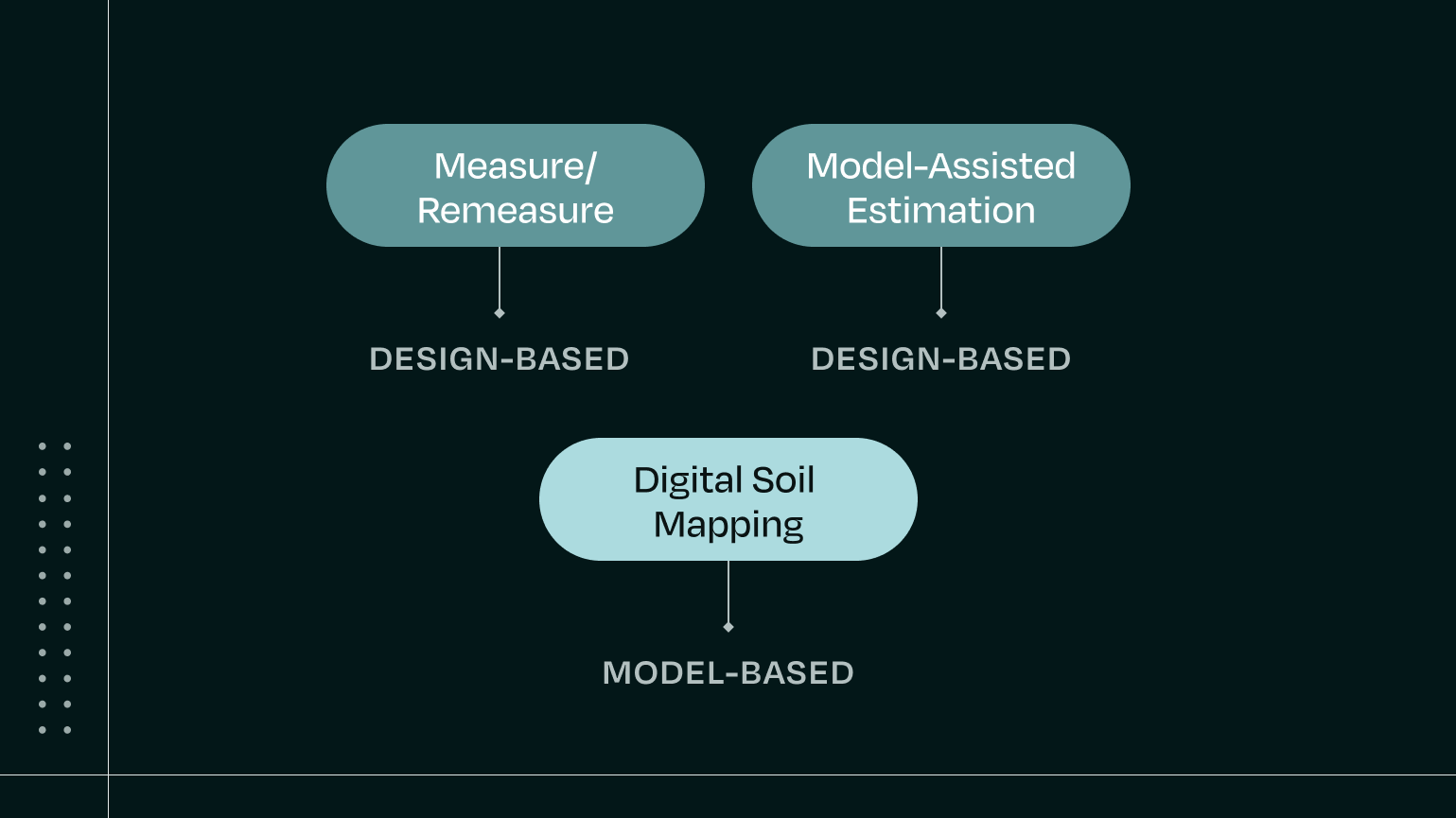
In this webinar, HowGood and Perennial take a focused look at what the guidance means for food and beverage, including upstream and downstream implications. We walk through the guidance, discuss how to manage accounting and substantiation for removals, and break down the main approaches to quantifying soil organic carbon — measure-remeasure, biogeochemical modeling, and digital soil mapping. You'll come away with a clear idea of what each approach requires, and how to get started.
Featured speakers:
Pooja Nair, Director of Product, Perennial
Christian Clanton, VP of Data Science, Perennial
Lizz Aspley, Lead Metrics Architect, HowGood
Arthur Gillett, Chief Research Officer, HowGood
Webinar highlights:
0:00 — Welcome and introduction
Eva Clark, VP of Marketing and Communications at HowGood, introduces the speakers and gives an overview of HowGood's granular product footprinting and the session agenda.
02:45 — LSR Guidance overview: the Standard vs. the Guidance
Lizz Aspley, Metrics Architect at HowGood, explains how the 500-plus-page Guidance works as the practical companion to the LSR Standard — supplementing the Corporate and Scope 3 Standards rather than replacing them — and why it's best used as a reference tool for specific questions.
04:14 —How the inventory fits together
How land emissions break into three categories — land use change, land management biogenic CO₂ emissions, and land management production emissions — with land management CO₂ removals set apart in its own category, reported separately and never netted against one another.
05:42 — Land use change
The 20-year assessment period, mandatory land occupation reporting in hectares, and the three calculation methods depending on data availability: dLUC, jdLUC (new in the final Standard), and sLUC.
09:16 — Biogenic and production emissions
Which practices drive biogenic CO₂ emissions, the narrow conditions under which zero can be assumed, and how farm-gate production emissions (methane, nitrous oxide, fossil CO₂ from lime and urea) are reported gross — plus where on-farm fuel combustion sits in the inventory.
13:44 — Traceability determines what you can claim
Why physical traceability is the gate to more specific methods and removals claims: mass balance and identity-preserved sourcing allowed, book-and-claim excluded, and what that means for certificate-based supply chain claims.
15:09 — What actually changes for you, and a readiness checklist
The practical shift — asking suppliers for more data, supply chain visibility becoming the proof behind reported numbers, and procurement moving to the center of reporting — plus a year-ahead checklist for getting data to the right traceability level before 2027.
18:47 — What counts as a removal
Pooja Nair, Director of Product at Perennial, clarifies what a removal is and walks through the removal-versus-reduction distinction with a worked example: only the soil organic carbon gain counts as a removal; emissions reductions are reported on a separate line.
20:39 — The three new requirements for removals
The higher bar the Guidance sets for removals: an empirical data requirement, quantified uncertainty on every removal value, and resampling at an interval of five years or less.
21:39 — Three approaches to quantifying soil carbon
A side-by-side of samples-only, biogeochemical modeling, and digital soil mapping — how each works, the sampling burden, cost, and how they scale — and why choosing the right approach depends on a project's size, data availability, and budget.
47:58 – Q&A: How many samples does DSM actually need?
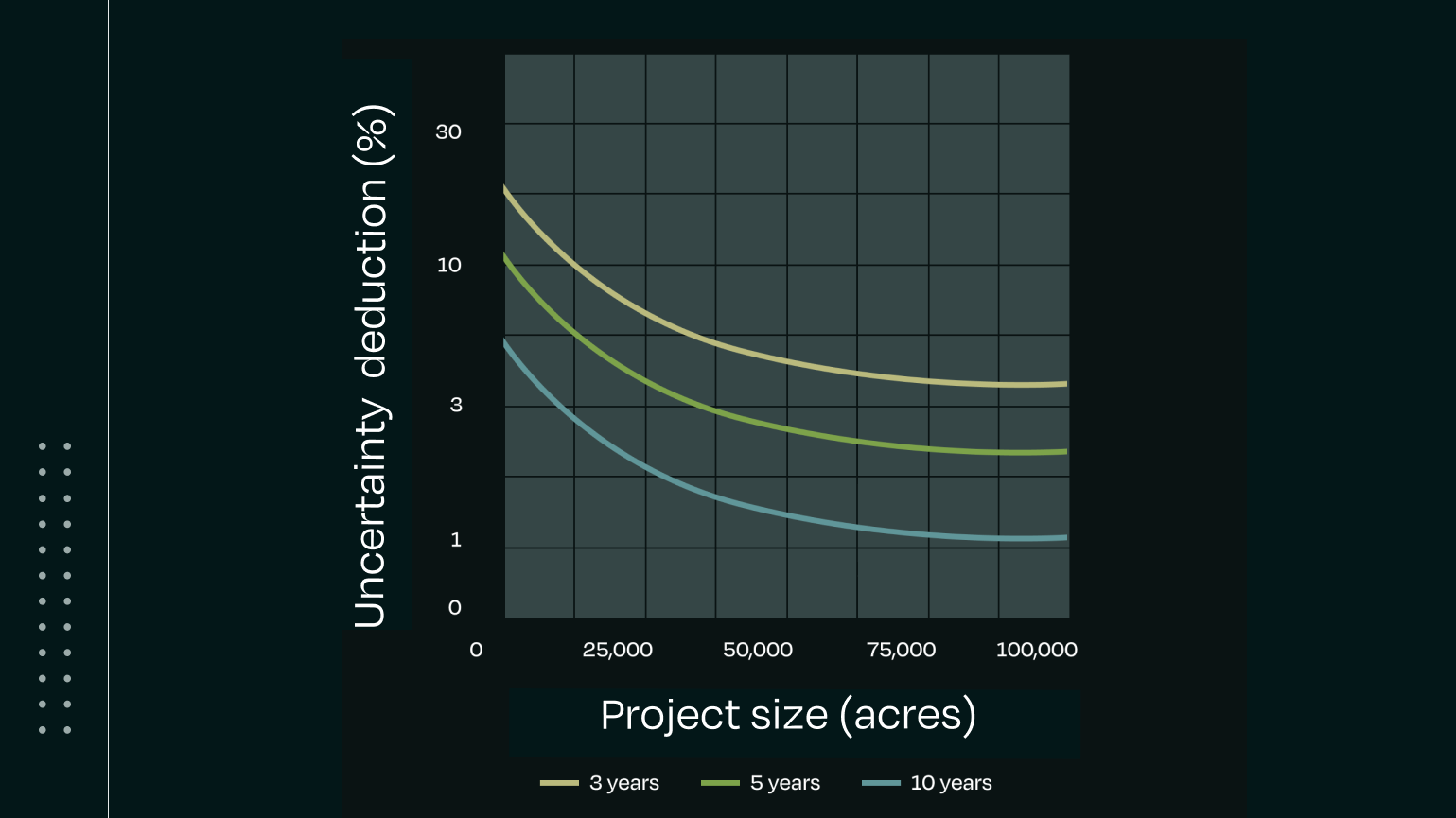
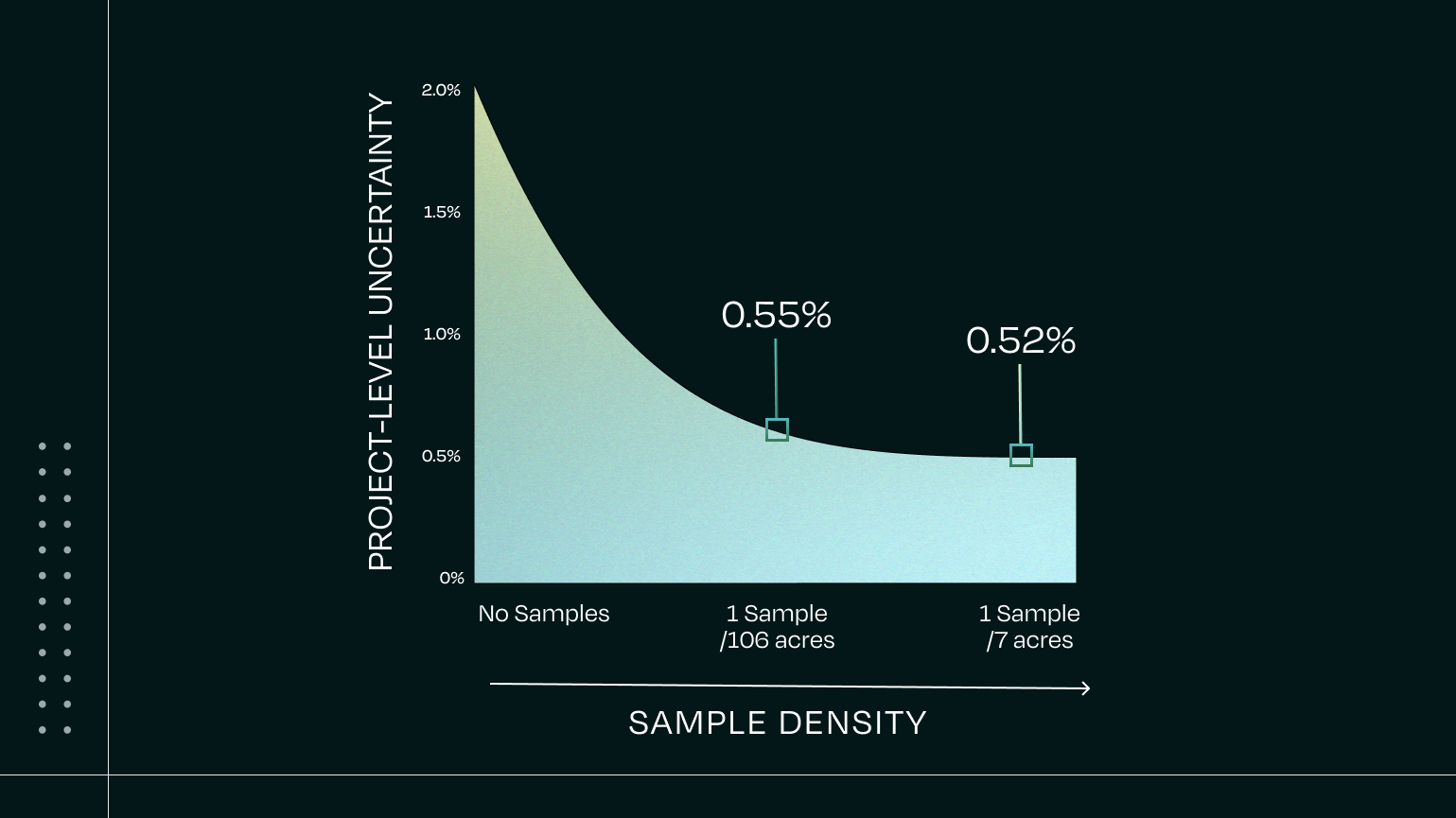
Christian Clanton, VP of Data Science at Perennial, explains how a power analysis determines sample count from project size, land variability, and the minimum detectable change in carbon stocks — and why sampling density can be very low for large projects.
52:11 — Q&A: How Perennial and HowGood work together
How Perennial's field-level SOC measurement and uncertainty feed into HowGood's Latis platform as a contributing PCF emission factor within a Scope 3 Category 1 inventory — with Perennial handling the sampling and measurement work end to end.
56:52 — Q&A: What the Guidance signals for the industry
Arthur Gillett, Chief Research Officer at HowGood, on why the Guidance is a landmark for the maturity of carbon accounting — a "choose your own adventure" that gives companies an agreed, defensible path to claim removals at whatever depth they're ready for.
——————
Exploring how to get started with removals in your own supply chain?